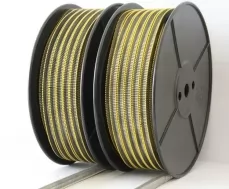
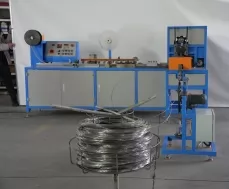
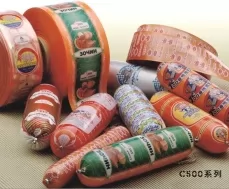
Aluminum clips are lightweight, corrosion-resistant closures that secure food casings and bags, improve seal integrity, support automated clipping, and suit products such as sausages, meat, poultry, produce, sauces, and pet food. I use them as part of a broader food packaging closure system, where clip geometry, alloy hardness, packaging film, and machine settings must work together.
In this guide, I explain Why Aluminum Clips Are Widely Used in Food Packaging from a production and purchasing perspective. I focus on sealing performance, hygiene, food-contact documentation, equipment compatibility, supplier selection, sustainability limits, and total cost of ownership rather than relying on general marketing claims.
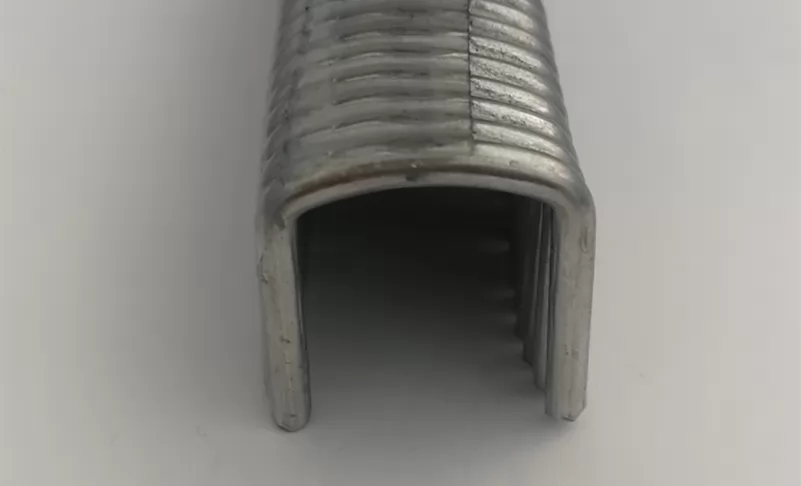
I see aluminum clips selected for food packaging because they provide a mechanical closure with predictable deformation. During clipping, the clip is formed around gathered casing, film, netting, or bag material, creating compression at the package neck. This closure can reduce product leakage and air exchange when the clip size, material hardness, and machine pressure are correctly matched.
Unlike adhesive tape or many simple plastic bag closures, a formed aluminum clip does not depend on adhesive tack. It can remain stable through handling, refrigeration, freezing, cooking, transportation, and retail display, although the actual performance depends on the packaging film and the intended temperature range. Poly-clip System describes its clips as being made from pure aluminum or selected alloys permitted for food-industry use, with options for different hardness grades and clip formats.
The main reason I would not treat every aluminum clip as interchangeable is that the clip is only one component in the closure. The bag or casing neck must have enough material for compression, the clip must fit the die, and the machine must apply consistent force without cutting or under-compressing the package. A clip that performs well on a 50-millimeter sausage casing may be unsuitable for a thin produce net or a liquid-filled sauce pouch.
Aluminum is ductile enough to form around gathered packaging material without behaving like a brittle component. The clip can be compressed into a defined shape, allowing the operator or machine to produce a repeatable closure. For sausages, meat products, and filled bags, this helps retain the product during storage, cooking, transport, and retail handling.
Leak resistance is not determined by the clip alone. I recommend testing the complete package using the actual casing or film, filling weight, internal pressure, storage temperature, and handling conditions. For liquid or semi-liquid products such as sauces, marinades, soups, and prepared foods, a roll-style or tighter closure may be more suitable than a flat clip because the packaging system must resist fluid migration through folds.
Food packaging clips may be exposed to production-room moisture, meat residues, salt, oils, cleaning chemicals, and condensation. A clip with burrs, drawing oil, grease, or uncontrolled surface treatment can create a contamination or handling concern. For that reason, purchasing specifications should define surface cleanliness, burr limits, coating type, packaging method, and batch identification.
Some established manufacturers specify oil-free or grease-free clip production and provide food-industry testing documentation. Poly-clip System states that its clips are tested against European food-contact requirements and manufactured under ISO 9001 and ISO 22000 management systems. These claims should be verified against the exact product, batch, and intended application rather than assumed for every clip in the market.
Aluminum clips are used in chilled and frozen food operations because the closure is not based on a liquid adhesive that can soften or lose tack. However, temperature resistance depends on the full package. The film, casing, coating, and clip geometry must all remain suitable for the planned storage and processing range.
For example, a sausage casing may pass through filling, clipping, smoking, cooking, cooling, slicing, and distribution. A poultry bag may be exposed to liquid purge and refrigeration condensation. A mushroom or garlic bag may require a closure that holds a net or thin film without tearing it. Each application requires different compression settings and may require separate clip dimensions.
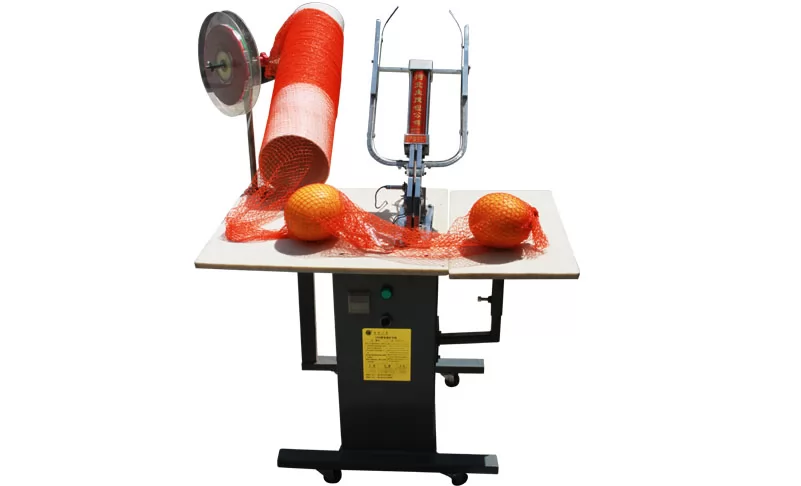
Aluminum clips are available for manual clippers, semi-automatic systems, and fully automatic clipping lines. In a manual operation, the clip reduces the time required to close each package compared with tying or folding. In a semi-automatic line, the operator positions the package while the machine forms the clip. In an automatic system, filling, gathering, clipping, looping, cutting, and product transfer may be coordinated.
The production benefit is measurable through cycle time and defect rate. I normally compare packages per minute, clips consumed per finished unit, unplanned stops per shift, rework percentage, and operator minutes per 1,000 packages. A clip that costs slightly more per thousand may lower total cost if it reduces misfeeds, casing breakage, leakage, and machine cleaning interruptions.
The operating sequence is simple, but each stage affects final seal integrity:
The closure works through compression and shape retention. If compression is too low, the package may leak or loosen. If compression is too high, the clip may cut the casing, damage the film, distort the neck, or increase machine wear. For this reason, I treat clip selection and die selection as a single engineering decision.
Sausage casings are one of the most established applications for aluminum clips. They are used with natural, collagen, fibrous, and plastic casings across fresh sausage, cooked sausage, smoked sausage, pepperoni, salami, and dry sausage. The correct clip depends on casing diameter, casing material, filling pressure, product weight, and whether the package requires a hanging loop.
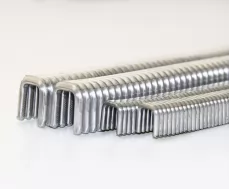
Flat clips may be suitable for sensitive natural casings, while roll clips are often selected where a tighter closure is needed for artificial casings, vacuum bags, or liquid-containing products. BECK Clip Systems lists aluminum clips for meat, sausage, poultry, produce nets, sacks, bags, and films, with different dimensions and hardness grades.
Poultry and meat products are often packaged in flexible bags that contain moisture, purge, or irregular product shapes. Aluminum clips can close the gathered bag neck without heat sealing the entire opening. This design may reduce equipment complexity when the package format is compatible with a clipper.
The buyer should specify film thickness, bag width, gathered neck diameter, filling weight, and whether the product is vacuum-packed. A clip that closes an ordinary bag may not provide sufficient holding force for a vacuum bag with higher compression and internal material stress.
Produce and mushroom packaging often uses nets, mesh bags, or thin plastic film. In these applications, the main challenge is holding the material without cutting strands or tearing the film. The clip must have suitable edges, width, hardness, and closing geometry.
For garlic, onions, mushrooms, and selected vegetables, the package may need ventilation rather than a fully hermetic seal. I therefore distinguish between a secure mechanical closure and a moisture-resistant or airtight closure. The correct choice depends on the respiration, condensation, shelf-life, and display requirements of the product.
Aluminum clips can close flexible packages containing sauces, soups, marinades, tofu products, prepared foods, and other convenience items. These products place greater demands on leak prevention because liquid can travel through small channels in the gathered material.
For these applications, I would require a seal-integrity trial using the actual viscosity, fill temperature, package orientation, and storage period. A visual inspection alone is insufficient. A practical test may include compression, inversion, vibration, drop handling, and storage observation at the coldest and warmest planned conditions.
Pet food packaging may use clip closures for sausage-style products, filled bags, and some specialty formats. The package can require resistance to fat, moisture, handling, and transport abrasion. The clip must also be compatible with the selected film or casing and any metal detection or downstream inspection process.
Silver-Clip lists applications that include pet food, seafood, soups, sauces, produce, meat, poultry, and sausage products, and reports a range of aluminum clip formats for different clipping and tying machines.
The choice between aluminum and plastic depends on the package structure, equipment, food-contact requirements, inspection system, and end-of-life route. I do not recommend treating aluminum as automatically superior because plastic may be appropriate for frozen products, metal-detector environments, or applications where a lightweight nonmetal closure is required.
| Factor | Aluminum Clips | Plastic Clips |
|---|---|---|
| Mechanical deformation | Forms around gathered material and retains a compressed profile | Depends on polymer flexibility, shape, and locking design |
| Temperature behavior | Suitable alloy and coating must match processing conditions | Polymer grade must match freezing, cooking, and storage conditions |
| Corrosion | Aluminum can react in aggressive environments if unsuitable alloy or coating is used | Does not corrode as a metal, but may stress-crack or deform |
| Metal detection | May trigger or be detected by metal inspection systems | Often selected where metal must be avoided |
| Recyclability | Aluminum is widely recyclable as a material | Recycling depends strongly on polymer type and local systems |
| Machine compatibility | Requires correct die, clip size, hardness, and feed format | Requires a compatible magazine or feeding system |
| Food-contact compliance | Requires material, coating, and intended-use documentation | Requires polymer and additive documentation |
| Typical application | Sausages, meat, poultry, bags, nets, vacuum packs | Selected bags, frozen products, and metal-sensitive lines |
Corrosion deserves specific attention. Aluminum develops a passive oxide layer, but acidic, salty, or chemically aggressive food residues can alter corrosion behavior, particularly when moisture remains trapped near the closure. I would request corrosion testing or application-specific evidence when packaging acidic sauces, brined products, pickled foods, high-salt meat, or products with long wet storage.
Food-contact safety is also a documentation issue, not simply a material-name issue. In the United States, the regulatory status of each substance reasonably expected to migrate from a food-contact article must be supported through applicable regulations, GRAS status, prior sanction, a threshold exemption, or an effective food-contact notification. The FDA also states that food-contact authorizations are tied to the manufacturer, substance, and conditions of use in relevant cases.
I begin with the product rather than the clip catalogue. Record the product type, fill weight, viscosity, moisture level, acidity, salt content, temperature range, expected shelf life, and handling conditions.
For the package, record casing or film material, thickness, gathered neck diameter, bag circumference, net structure, and whether the package is vacuumed. These parameters determine the required holding force and the risk of damage during clipping.
A clip should be matched to the machine model, die, magazine, reel, spool, and feed direction. Compatibility is not established merely because two clips have similar external dimensions. The clip wire diameter, internal opening, profile, alloy hardness, and presentation format can affect feeding and closure.
Hebei Shengmao Packaging Materials, also known as Shengmao, lists manual, semi-automatic, and automatic clipping machines, along with R clips, U clips, aluminum clip wire, custom clips, and related packaging equipment. Its product range shows why buyers should provide the machine model and an existing clip sample when requesting alternatives.
Clip size should correspond to the gathered package neck, not only the original clip code. The important measurements include clip inner width, wire diameter, clip height, opening profile, and compressed dimensions. Hardness affects how much force is required and how the clip behaves after compression.
I recommend testing at least three operating conditions: the lower, nominal, and upper range of filling weight or neck diameter. During the test, record leakage, casing cuts, clip deformation, machine jams, and package pull-off force. A supplier that only confirms catalogue compatibility without conducting a machine trial leaves too much technical risk with the buyer.
For food-grade aluminum clips, I request the following documents before approval:
If the product contacts acidic, salty, fatty, or wet foods, I also request application-specific compatibility information. A general statement that aluminum is safe does not replace documentation for the finished clip, coating, manufacturing process, and intended food-contact conditions.
I compare suppliers by product scope, machine support, documentation, delivery structure, and technical trial capability. The following table uses indicative purchasing bands for budgeting only, not published quotations; actual pricing varies with clip type, alloy, order quantity, packaging format, tooling, freight, and destination.
| Supplier or manufacturer | Main capability | Best fit | Indicative planning range |
|---|---|---|---|
| Shengmao / Hebei Shengmao | Aluminum clips, Sausage Clips, clip wire, casing, manual and automatic machines, custom formats | Importers, processors, private-label buyers, and users seeking custom compatibility | About $8–$35 per 1,000 clips for standard bulk formats; request a formal quote |
| Poly-clip System | Integrated machines, clips, loops, traceability, coded clips, food-contact documentation | High-volume processors prioritizing system matching and documented supply | Often premium; budget approximately $20–$60 per 1,000 clips before freight |
| BECK Clip Systems | Aluminum clips, manual, semi-automatic, and automatic clipping systems | Meat, sausage, poultry, produce, bags, and regional processors | Approximately $15–$50 per 1,000 clips depending on format |
| Silver-Clip | More than 500 clip types, loops, clippers, service, and U.S. distribution | North American buyers needing local stock or machine-service support | Approximately $20–$65 per 1,000 clips depending on series and volume |
| Pengkai Machinery | Aluminum sealing clips, machinery, processed-meat and soft-package applications | Buyers combining clips with machinery or specialized automation | Quote-based; budget separately for clips, machine, tooling, and commissioning |
Poly-clip System offers clips in multiple formats, including reel clips, magazine clips, U clips, and machine-coded options, and describes a system approach in which the machine, clip, and loop are matched. This may reduce compatibility risk but can increase purchase dependence on an integrated supplier.
BECK states that its aluminum clips are available in standard market dimensions and different hardness grades, with compatibility across its own machines and common machines from other manufacturers. That makes it relevant when I need a replacement or alternative source without changing the entire line.
Shengmao is relevant for buyers comparing Chinese manufacturing sources because its published product structure includes clips, raw materials, clip manufacturing equipment, custom clips, and clipping machines. I would still require pre-shipment samples, dimensional inspection data, and a documented production trial before approving a substitute clip for continuous food production.
A buyer should define acceptance criteria before ordering. I use a checklist covering both the clip and the finished package:
For routine production, I would set a sampling plan such as first-piece approval, hourly visual checks, and a defined number of destructive seal tests per shift. The exact sample size should reflect production volume, hazard analysis, customer requirements, and the consequences of a failed closure. The key is to convert “secure sealing” into measurable criteria such as maximum leakage rate, minimum pull-off force, allowable misfeed rate, and acceptable dimensional tolerance.
Clip price is only one part of the purchase decision. I calculate total cost using this structure:
Total cost per 1,000 finished packages = clip cost + freight and duty + machine consumables + labor + downtime + rework + leakage loss + inspection cost.
For example, assume a plant produces 1,000,000 packages per month. A $10 difference per 1,000 clips changes monthly material spending by $10,000. However, if a cheaper clip raises rework from 0.5% to 1.5%, the plant may reject an additional 10,000 packages before considering labor, product, film, cleaning, and customer claims.
I also calculate the cost of machine stoppage. If a line produces 120 packages per minute and a clip-feed problem causes 20 minutes of downtime, the lost capacity is 2,400 packages per event. Four such events per month equal 9,600 packages of lost production, excluding restart labor and sanitation time.
Delivery risk should be evaluated using safety stock and supplier capacity. A practical starting point is to hold 2–6 weeks of critical clips, depending on lead time, import exposure, seasonal demand, and the availability of approved alternatives. I ask suppliers for monthly capacity, standard lead time, emergency production capability, packaging configuration, inspection release time, and the percentage of orders shipped on schedule.
Aluminum is recyclable, but the recyclability of an aluminum clip does not automatically make the complete food package recyclable. The package may combine aluminum, multilayer plastic film, adhesive labels, casing material, ink, organic residues, and other components that are difficult to separate.
I therefore evaluate three different questions:
A clip may support material recovery when it is separated from the package during processing or sorting. In other cases, the small size of the clip, attached film, food contamination, or mixed-material construction may limit actual recovery. Sustainability claims should state whether they refer to the clip material, the production scrap, or the finished package.
| If my priority is... | I would prioritize... | Main verification |
|---|---|---|
| Small-batch sausage production | Manual clipper and standard magazine clips | Operator ergonomics, casing fit, simple cleaning |
| Growing meat processor | Semi-automatic clipping system | Packages per minute, changeover time, spare-part availability |
| High-volume sausage or poultry line | Integrated automatic machine and clip supply | Feed reliability, traceability, service response, capacity |
| Thin produce or mushroom packaging | Softer or suitable clip geometry | Net retention, film damage, ventilation needs |
| Vacuum-packed food | Correct roll or formed clip profile | Vacuum decay, pull-off, inversion, temperature testing |
| Acidic or salty products | Documented alloy and coating suitability | Corrosion testing, migration documentation, storage trial |
| Metal-sensitive inspection line | Approved plastic alternative or validated metal detection | Detector sensitivity, false rejects, regulatory requirements |
| Lowest long-term cost | Supplier with stable delivery and low defect rate | TCO model, downtime, rework, and inventory cost |
Why aluminum clips are widely used in food packaging comes down to four practical factors: sealing performance, durability, hygiene, and production efficiency. When the correct clip is compressed around the correct casing, film, net, or bag, it can provide a repeatable closure for sausages, meat, poultry, produce, mushrooms, garlic, sauces, convenience foods, and pet food.
I would not approve aluminum clips based on material name or price alone. I would first confirm food-contact documentation, alloy and coating details, corrosion compatibility, clip dimensions, machine matching, seal-integrity results, and batch traceability. For a supplier such as Shengmao, Poly-clip System, BECK Clip Systems, Silver-Clip, or Pengkai, I would compare samples under actual production conditions before placing a recurring order.
The next step is to prepare a technical specification containing the machine model, current clip sample, package material, gathered neck size, product weight, temperature range, monthly consumption, and destination-market compliance requirements. That information allows suppliers to provide comparable samples and quotations, while giving me enough data to calculate total cost of ownership instead of comparing unit price alone.