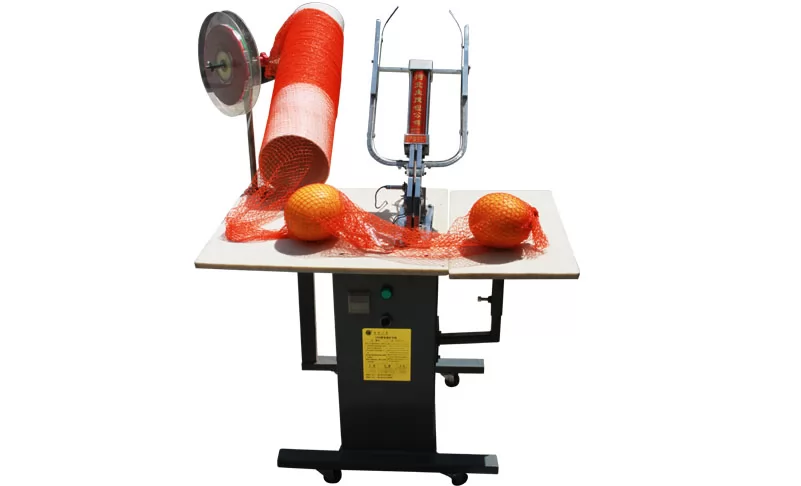
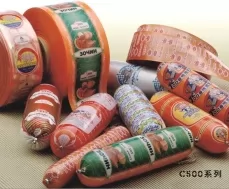
Among the most important innovations in modern food packaging is the Automatic Clipping Machine. This highly efficient equipment has transformed sausage production, meat packaging, vacuum sealing, and industrial food processing by replacing traditional manual clipping operations with automated systems.
Today, Automatic Clipping Machine technology is widely used in:
● Sausage production
● Ham processing
● Poultry packaging
● Vacuum meat packaging
● Cheese packaging
● Netting and clipping systems
● Industrial food packaging
For meat factories seeking higher production capacity and stable packaging quality, automatic clipping systems have become essential equipment in modern processing lines.
An Automatic Clipping Machine is an industrial device designed to automatically seal sausage casings, food bags, netting, and flexible packaging materials using metal clips.
Unlike manual clipping systems, automatic clipping machines operate continuously with minimal human intervention. These machines are usually integrated into sausage filling lines and vacuum packaging systems to achieve high-speed production.
Modern clipping machines can automatically:
● Feed clips
● Seal sausage casings
● Cut casings
● Control clip pressure
● Synchronize with filling machines
● Perform continuous packaging
This automation significantly improves packaging efficiency while reducing labor dependency in meat processing plants.
One of the biggest challenges facing meat processing factories is labor cost.
Traditional sausage clipping operations require multiple workers for:
● Filling sausages
● Sealing casings
● Packaging
● Quality inspection
Automatic Clipping Machine systems reduce manual operations and allow factories to increase output with fewer workers.
Many processors now view automation not only as a labor-saving solution but also as a long-term operational strategy.
The meat processing industry globally is experiencing severe labor shortages.
Manual packaging jobs are repetitive, physically demanding, and difficult to recruit for. Automated clipping technology helps factories maintain stable production even with limited labor availability.
Modern automated systems can operate continuously while requiring only minimal supervision.
Food manufacturers are under pressure to improve hygiene and reduce contamination risks.
Automatic Clipping Machines help minimize direct human contact with food products, improving sanitation and reducing contamination opportunities.
This is especially important for:
● Vacuum meat packaging
● Sausage production
● Poultry processing
● Ready-to-eat food products
Automated packaging also improves consistency in sealing quality and product presentation.
One of the biggest advantages of Automatic Clipping Machine systems is production speed.
Manual clipping operations are relatively slow and heavily dependent on worker experience. Automatic clipping systems can process thousands of products per hour with consistent accuracy.
Benefits include:
● Faster sausage sealing
● Continuous packaging
● Reduced production bottlenecks
● Higher daily output
● Stable production speed
For industrial meat factories, higher throughput directly improves profitability.
Automatic clipping technology allows factories to reduce labor dependency.
Instead of requiring multiple operators for manual clipping and sealing, automated systems can often be supervised by a single operator.
This helps manufacturers:
● Lower labor expenses
● Reduce training costs
● Improve labor allocation
● Increase operational efficiency
Many factories use automation to reassign workers to higher-value production tasks instead of repetitive manual sealing operations.
Consistency is critical in meat packaging.
Manual clipping often results in:
● Uneven clip pressure
● Leakage problems
● Inconsistent product appearance
● Packaging failures
Automatic Clipping Machines provide stable clip pressure and precise sealing performance during continuous operation.
This helps improve:
● Airtight sealing
● Product shelf life
● Packaging reliability
● Customer satisfaction
Consistent clipping quality is especially important in vacuum sausage packaging and export food products.
Packaging errors can lead to serious product losses in meat processing plants.
Automatic clipping systems reduce:
● Leakage
● Broken casings
● Packaging defects
● Product contamination
Lower packaging failure rates help factories improve production yield and reduce operational losses.
Even small improvements in packaging yield can create significant financial savings for large-scale meat plants.
Modern Automatic Clipping Machine systems can integrate with:
● Sausage fillers
● Conveyors
● Vacuum packaging systems
● Labeling systems
● Netting machines
● Robotic production lines
This integration allows factories to build fully automated meat processing systems with minimal manual handling.
Automation also improves production planning, line synchronization, and operational stability.
The most common application of Automatic Clipping Machine systems is sausage production.
Machines are widely used for:
● Fresh sausages
● Smoked sausages
● Salami
● Ham sausages
● Dry sausages
● Hot dogs
Automatic clipping helps ensure stable sealing and efficient high-volume production.
Vacuum packaging requires reliable airtight sealing to maintain freshness and prevent contamination.
Automatic clipping systems provide strong sealing performance for:
● Beef packaging
● Poultry products
● Frozen meat
● Processed meat products
This technology improves food preservation and transportation safety.
Many meat factories use clipping systems together with netting technology for ham and large meat products.
Automatic netting and clipping systems streamline production while improving packaging consistency and appearance.
| Feature | Manual Clipping | Automatic Clipping Machine |
|---|---|---|
| Production Speed | Low | High |
| Labor Requirement | High | Low |
| Packaging Consistency | Variable | Stable |
| Production Capacity | Limited | Large-scale |
| Packaging Waste | Higher | Lower |
| Automation Level | Low | High |
| Operational Stability | Operator dependent | Continuous operation |
| Food Safety | More human contact | Reduced contamination risk |
Although automatic systems require higher initial investment, they often deliver strong long-term ROI through:
● Labor savings
● Reduced product waste
● Increased throughput
● Improved packaging quality
Many processors recover equipment costs through production efficiency improvements within a few years.
Manual meat packaging operations can expose workers to repetitive strain injuries and dangerous cutting environments.
Automation improves worker safety by reducing direct interaction with sharp tools and repetitive packaging operations.
The future of meat processing is moving toward:
● Smart factories
● AI-driven automation
● Robotics integration
● Data-driven production systems
● Intelligent packaging equipment
Automatic Clipping Machine technology is becoming an important part of intelligent meat processing systems worldwide.
When selecting an Automatic Clipping Machine, buyers should evaluate:
Production Capacity:Choose machines that match your production volume requirements.
Clip Compatibility:
Ensure compatibility with:
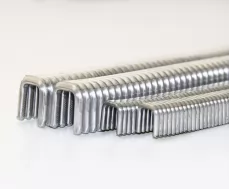
● U Clips
● R Clips
● Poly-clip systems
● Tipper Tie systems
Automation Level:Different factories require different levels of automation.
Maintenance Requirements:Reliable machines should offer easy maintenance and low downtime.
Technical Support:Professional after-sales service is critical for industrial production stability.
The Automatic Clipping Machine has become one of the most important technologies in modern meat processing and food packaging industries.
By improving packaging speed, reducing labor costs, increasing sealing consistency, and supporting full production automation, automatic clipping systems help meat factories remain competitive in an increasingly demanding global market.
As food manufacturers continue upgrading toward intelligent automation and high-speed production, Automatic Clipping Machine technology will continue playing a vital role in improving efficiency, food safety, and packaging quality across the global meat processing industry.