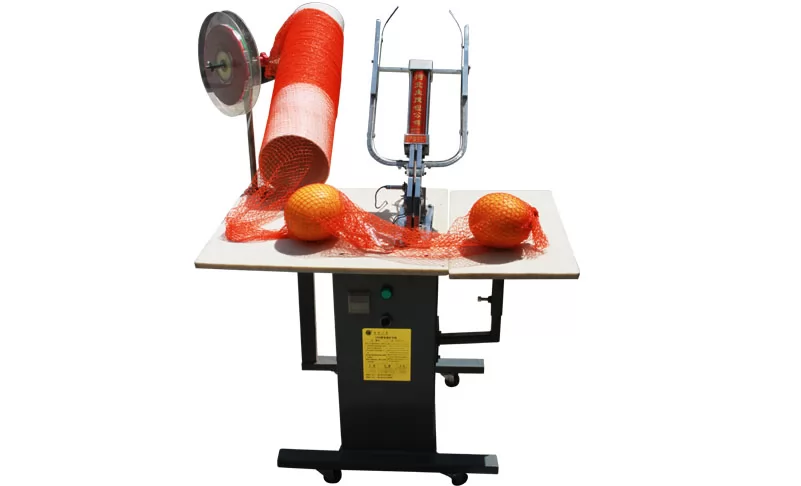
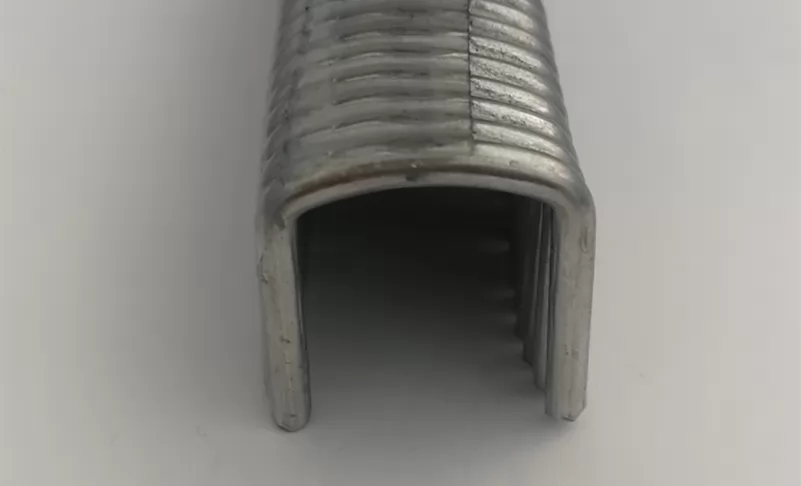
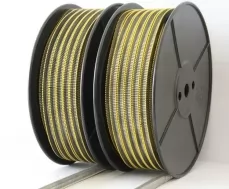
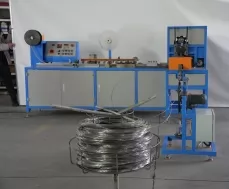
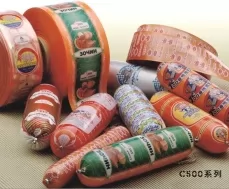
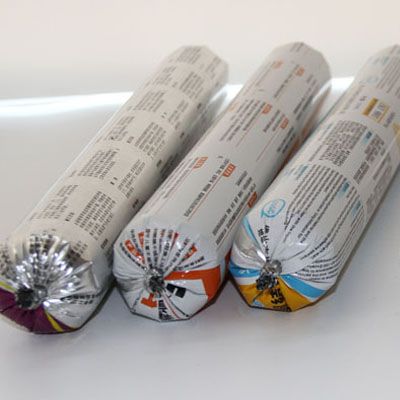
Sausage Clippers are essential tools in modern food processing plants, particularly in the meat processing industry. The right sausage clipper can streamline production, enhance product quality, and save costs. This article serves as a comprehensive purchasing guide to assist food processing plants in selecting the best sausage clipper, considering various factors such as performance, compatibility, and maintenance. From understanding your plant's needs to evaluating different models, this guide will equip you with the knowledge to make informed decisions.
What is a Sausage Clipper?
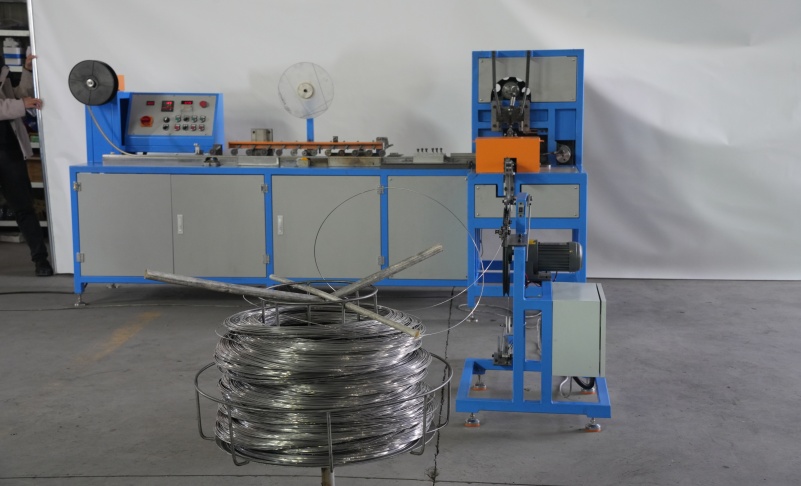
A device used to seal sausage casings, ensuring freshness and preventing leaks.
Types include manual clippers, automatic clippers, and semi-automatic clippers.
Importance in Food Processing
Essential for maintaining product quality and hygiene.
Directly impacts production efficiency and cost management.
Speed and Efficiency
Assess the clipper's sealing speed (number of clips per minute).
Consider how it fits into your overall production line speed.
Durability and Build Quality
Look for stainless steel options for easy cleaning and longevity.
Confirm that the materials can withstand frequent use and maintenance.
Ease of Use
Ensure intuitive controls and minimal training requirements for staff.
Examine ease of setup and adjustment for different sausage sizes.
Assessment of Your Product Line
Evaluate the types of sausages you produce (fresh, cured, etc.).
Identify the casing sizes and types that need sealing.
Integration with Existing Equipment
Check compatibility with current processing equipment.
Consider any additional tools needed for effective operation.
Initial Purchase Costs
Compare pricing from various suppliers.
Factor in warranty and service agreements in total cost analysis.
Long-term Operational Costs
Assess energy consumption rates and maintenance schedules.
Consider the costs associated with downtime and repairs.
Regular Maintenance Practices
Establish a maintenance schedule to prolong lifespan.
Clean components regularly to prevent contamination.
Supplier Support
Investigate warranty options and what they cover.
Confirm access to customer service for troubleshooting.
Purchasing a sausage clipper involves several considerations, from technical specifications to cost implications. By following this guide, food processing plants can effectively assess their needs and select a model that enhances efficiency and product quality. For personalized recommendations, considering manufacturers like Shengmao can provide additional insights into the latest technologies and features in sausage clipping.